
Some cancer risk factors, such as genetics and environment, are out of your control, but research suggest that about 70% of your lifetime risk of cancer is within your power to change, including your diet. Avoiding cigarettes, limiting alcohol, reaching a healthy weight, and getting regular exercise are all great steps for preventing cancer. Adopting a healthy diet can also play a vital role.
What you eat—and don't eat—can have a powerful effect on your health, including your risk for cancer. While research tends to point to associations between specific foods and cancer, rather than solid cause-and-effect relationships, there are certain dietary habits that can have a major influence on your risk. For example, eating a traditional Mediterranean diet rich in fruit, vegetables, and healthy fats like olive oil can lower your risk for a variety of common cancers, including breast cancer. Conversely, a diet that includes a daily serving of processed meat increases your risk of colorectal cancer. If you have a history of cancer in your family, making small changes to your diet and behaviors now can make a big difference to your long-term health. And if you've already been diagnosed with cancer, eating a nutritious diet can help support your mood and strengthen your body during this challenging time.
Simple ways to build your cancer-prevention diet
To lower your risk for many types of cancer—as well as other serious disease—aim to build your diet around a variety of antioxidant-rich fruit and vegetables, nuts, beans, whole grains, and healthy fats. At the same time, try to limit the amount of processed and fried foods, unhealthy fats, sugars and refined carbs you consume.
Lower your risk with antioxidants
Plant-based foods are rich in nutrients known as antioxidants that boost your immune system and help protect against cancer cells.
Diets high in fruit may lower the risk of stomach and lung cancer.
Eating vegetables containing carotenoids, such as carrots, Brussels sprouts, and squash, may reduce the risk of lung, mouth, pharynx, and larynx cancers.
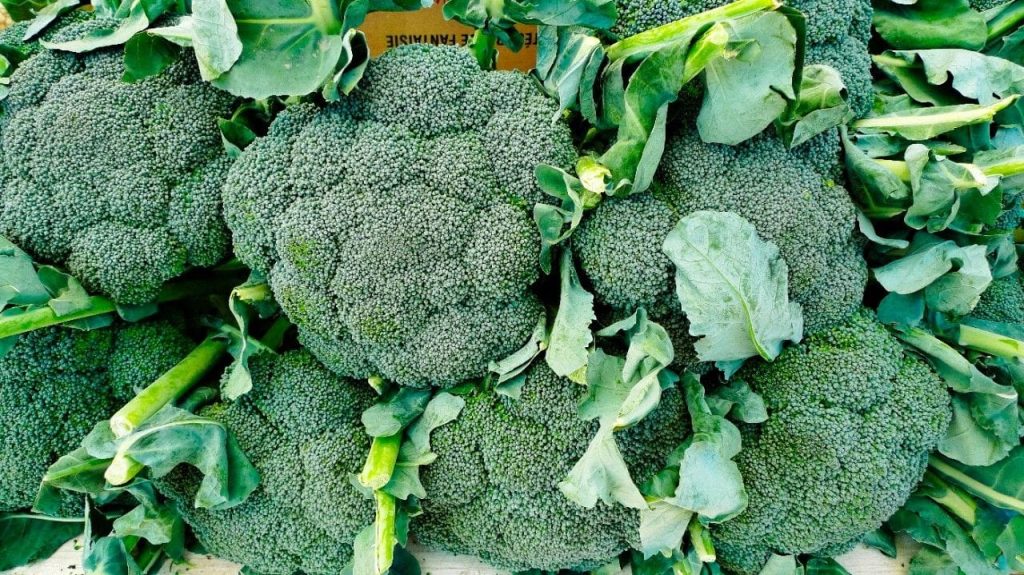
Diets high in non-starchy vegetables, such as broccoli, spinach, and beans, may help protect against stomach and oesophageal cancer.
Eating oranges, berries, peas, bell peppers, dark leafy greens and other foods high in vitamin C may also protect against oesophageal cancer.
Foods high in lycopene, such as tomatoes, guava, and watermelon, may lower the risk of prostate cancer.
Add more fruit and veggies to your diet
Currently, most of us fall well short of the recommended daily minimum of five servings of fruit and vegetables. To add more to your diet, focus on adding “whole” foods, as close to their natural state as possible. For example, eat an unpeeled apple instead of drinking apple juice.
Breakfast: Add fresh fruit, seeds, and nuts to your whole grain, low-sugar breakfast cereal (such as oatmeal).
Lunch: Eat a salad filled with your favorite beans and peas or other combo of veggies. Add lettuce, tomato, and avocado to a whole grain sandwich. Have a side of carrots, sauerkraut, or fruit.
Snacks: Grab an apple or banana on your way out the door. Dip carrots, celery, cucumbers, jicama, and peppers in hummus. Keep trail mix made with nuts and dried fruit on hand.
Dinner: Add fresh or frozen veggies to your favorite pasta sauce or rice dish. Top a baked potato with broccoli, sautéed veggies, or salsa.
Dessert: Choose fruit instead of sugary desserts.
Fill up on fiber
Fiber, also called roughage or bulk, is found in fruit, vegetables, and whole grains and plays a key role in keeping your digestive system clean and healthy. It helps keep cancer-causing compounds moving through your digestive tract before they can create harm. Eating a diet high in fiber may help prevent colorectal cancer and other common digestive system cancers, including stomach, mouth, and pharynx.
Choose healthy fats
Eating a diet high in fat increases your risk for many types of cancer. But healthy types of fat may actually protect against cancer.
Avoid trans fat or partially hydrogenated oil found in packaged and fried foods such as cookies, crackers, cakes, muffins, pie crusts, pizza dough, French fries, fried chicken, and hard taco shells.
Limit saturated fat from red meat and dairy to no more than 10 % of your daily calories.
Add more unsaturated fats from fish, olive oil, nuts, and avocados. Omega-3 fatty acids found in salmon, tuna, and flaxseeds can fight inflammation and support brain and heart health.
Cut down on sugar and refined carbs
Consuming refined carbs that cause rapid spikes in blood sugar has been linked to an 88% greater risk of prostate cancer, as well as other serious health problems.
Instead of sugary soft drinks, sweetened cereals, white bread, pasta and processed foods like pizza, opt for unrefined whole grains like whole wheat or multigrain bread, brown rice, barley, quinoa, bran cereal, oatmeal, and non-starchy vegetables. It could lower your risk for colorectal and prostate cancer as well as help you reach a healthy weight.
Limit processed and red meat
Many different studies have established a link between the risk of cancer and eating processed meat such bacon, sausages, hotdogs, pepperoni, and salami. Eating about 50 grams a day of processed meat increases your risk of colorectal cancer by 20%. This could be due to the nitrate preservatives or other substances used in the processing of the meat, although risk factors for cancer also increase by eating red meat, too. The safest strategy is to limit the amount of processed meat you consume and vary your diet by seeking out other protein sources, such as fish, chicken, eggs, nuts, and fermented soy, rather than relying just on red meat.
Boosting the cancer-fighting benefits of food
Here are a few tips that will help you get the most benefits from eating all those great cancer-fighting foods, such as fruit and vegetables:
Eat at least some raw fruits and vegetables as they tend to have the highest amounts of vitamins and minerals, although cooking some vegetables can make the vitamins more available for our body to use.
When cooking vegetables, steam only until tender. This preserves more of the vitamins. Overcooking vegetables removes many of the vitamins and minerals. If you do boil vegetables, use the cooking water in a soup or another dish to ensure you're getting all the vitamins.
Wash all fruits and vegetables. Use a vegetable brush for washing. Washing does not eliminate all pesticide residue, but will reduce it.
Flavour food with immune-boosting herbs and spices. Garlic, ginger, and curry powder not only add flavor, but they add a cancer-fighting punch of valuable nutrients. Other good choices include turmeric, basil, rosemary, and coriander. Try using them in soups, salads, and casseroles.
Tips for cutting down on carcinogens
Carcinogens are cancer-causing substances found in food. They can form during the cooking or preserving process—mostly in relation to meat—and as foods starts to spoil. Examples of foods that have carcinogens are cured, dried, and preserved meats (e.g. bacon, sausage, beef jerky); burned or charred meats; smoked foods; and foods that have become moldy.
To reduce your exposure to carcinogens:
Do not cook oils on high heat. Low-heat cooking or baking (less than 240 degrees) prevents oils or fats from turning carcinogenic. Instead of deep-frying, pan-frying, and sautéing, opt for healthier methods such as baking, boiling, steaming, or broiling.
Go easy on the barbecue. Burning or charring meats creates carcinogenic substances. If you do choose to barbecue, flip frequently to avoid charring, don't overcook the meat, and be sure to cook at the proper temperature (not too hot). When fat drips onto the flames, it can also release another chemical linked to cancer, so opt for leaner cuts of meat if you can.
Store oils in a cool dark place in airtight containers, as they quickly become rancid when exposed to heat, light, and air.
Avoid food that looks or smells moldy, as it likely contains aflatoxin, a strong carcinogen most commonly found on moldy peanuts. Nuts will stay fresh longer if kept in the refrigerator or freezer.
GMOs, pesticides, and cancer risk
Genetically modified organisms (GMOs) are plants or animals whose DNA has been altered in ways that cannot occur in nature or in traditional crossbreeding, most commonly in order to be resistant to pesticides or produce an insecticide.
Some animal studies have indicated that consuming GMOs may cause certain types of cancer. Since most GMOs are engineered for herbicide tolerance, the use of toxic herbicides like Roundup has substantially increased since GMOs were introduced. Some studies have indicated that the use of pesticides even at low doses can increase the risk of certain cancers, such as leukemia, lymphoma, brain tumors, breast cancer, and prostate cancer. However, research into the link between GMOs, pesticides, and cancer remains inconclusive.
If you're worried about GMOs and pesticides, buy organic or local foods
In most countries, organic crops contain no GMOs and organic meat comes from animals raised on organic, GMO-free feed. Locally grown produce is less likely to have been treated with chemicals to prevent spoilage.
Other lifestyle tips for cancer prevention
While your diet is central to preventing cancer, other healthy habits can further lower your risk:
Be as lean as possible without becoming underweight. Weight gain and being overweight or obese increases the risk of a number of cancers, including bowel, breast, prostate, pancreatic, endometrial, kidney, gallbladder, esophageal, and ovarian cancers.
Be physically active for at least 30 minutes every day. Physical activity decreases the risk of colon, endometrial, and postmenopausal breast cancer. Three 10-minute sessions work just as well, but the key is to find an activity you enjoy and make it a part of your daily life.
Limit alcoholic drinks. Limit consumption to no more than two drinks a day for men and one a day for women.
Where possible, aim to meet nutritional needs through diet alone, instead of trying to use supplements to protect against cancer.
After treatment, cancer survivors should follow the recommendations for cancer prevention. Follow the recommendations for diet, healthy weight, and physical activity from our trained professional.
