The Role Of The Gut Microbiome In Cancer Treatments

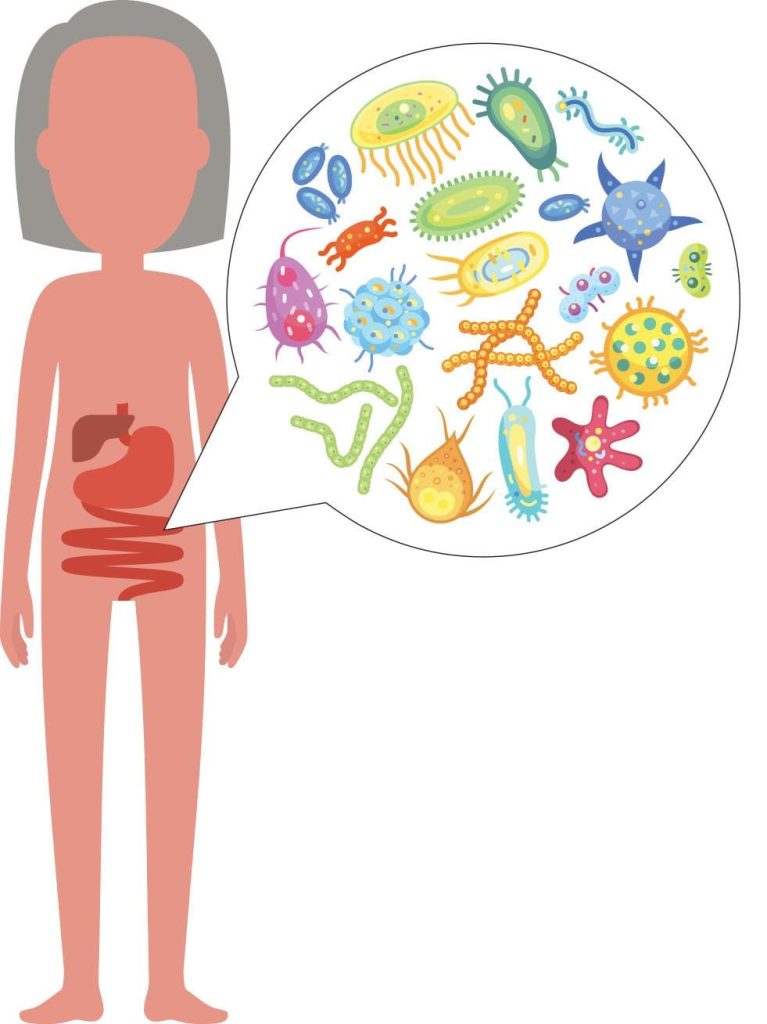
The human gastrointestinal (GI) tract contains an abundant and diverse microbial community that gathers more than 100 trillion microorganisms. Gut bacteria are key regulators of digestion along the gastrointestinal tract; commensal bacteria play an important role in the extraction, synthesis, and absorption of many nutrients and metabolites, including bile acids, lipids, amino acids, vitamins, and short-chain fatty acids (SCFAs). Gut microbiota have a crucial immune function.

Gut microbiota have a crucial immune function against pathogenic bacteria colonisation inhibiting their growth, consuming available nutrients and/or producing bacteriocins. Gut microbiota also prevent bacteria invasion by maintaining the intestinal epithelium integrity.

The normal gut microbiota imparts specific function in host nutrient metabolism, xenobiotic and drug metabolism, maintenance of structural integrity of the gut mucosal barrier, immunomodulation and protection against pathogens. Strong evidence is emerging to support the effects of the gut microbiome on the development of some malignancies but also on responses to cancer therapies, most notably, immune checkpoint inhibition (immunotherapy). Tools for manipulating the gut microbiome including dietary modification, probiotics and faecal microbiota transfer (FMT).

The gut microbiome has been referred to as “the last undiscovered human organ”; microbes within the human gut have significant effects on human health and immune function due to their proximity to the immune environment within the gastrointestinal tract. Complex interactions allow for the oral tolerance of commensal bacteria and food antigens, along with enabling the immune system to recognise and attack opportunistic bacteria. In addition to influencing localised immune responses, the microbiota also has broader effects contributing to innate and adaptive immunity by modulating the regulatory phenotype of gastrointestinal dendritic cells [3]. This concept is supported in animal models: germ-free mice lacking intestinal microbiota are noted to have severe defects in immunity, with an absent mucous layer, altered IgA secretion and reduced size and functionality of Peyer’s patches and draining mesenteric lymph nodes.

Lower gut bacterial diversity has been observed in people with a wide range of conditions, including obesity, cardiovascular disease, autoimmune disease and neurological disorders, along with vaccine responses, suggesting a direct relationship between gut microbiome diversity and functional outcomes. Disruption of the delicate balance of commensal bacteria is seen in the setting of what is often referred to as dysbiosis, a somewhat ill-defined state characterised by a less diverse and less stable microbiota, with potential enrichment of opportunistic pathogenic bacteria. Such an imbalance can lead to impaired local, locoregional and systemic immune responses through the breakdown of mucosal barriers, alterations in cytokine signalling, inhibition of probiotic commensal bacterial colonisation and proliferation of enteropathogens. This results in the translocation of gut bacteria into the mesenteric lymph nodes and peripheral circulation, resulting in the activation of Th17 and effector T cells promoting neutrophil infiltration, and activation of an inflammatory phenotype both locally and systemically.

Probiotics and probiotics = synbiotics 
Probiotics are live bacteria that are thought to provide health benefits and aid in gut microbiome homeostasis, while synbiotics are a combination of prebiotics and probiotics in a single formulation. Some difficulties have been shown to exist in the transportation of live bacteria beyond the acidic environment of the upper GI tract, but efforts are underway to combat this. Symbiosis is the mutually beneficial relationship between certain nutrients and the biota (bacteria) that populate our bodies. When balanced, this relationship enables optimal immune and digestive health Probiotics are healthy bacteria that we introduce into our microbiome, or digestive system, to boost the healthy bacteria that already lives there. Probiotics can be found naturally in foods like Greek yoghurt, cheese, kimchi, and pickles; they also exist in supplement and powder form. Taking probiotics can boost some of the healthy bacteria already in your gut, which works at its best when it has a balance of “good” and “bad” bacteria. A balanced gut is an important part of your body’s overall wellness.

Evidence shows that probiotics can help with long-term symptom management for cancer patients following treatment, including chemotherapy-related diarrhoea. A 2014 study investigating the effects of administering probiotics to colorectal cancer survivors for 12 weeks saw a significant decrease in symptoms for patients suffering from irritable bowel symptom, ultimately improving quality of life for those patients. Another randomised trial, conducted with 150 patients, found that patients who underwent chemotherapy and received probiotics experienced significantly less grade three and four diarrhoea and also required fewer hospitalisations and dose reductions due to bowel toxicity. However, this group also had a higher number of neutropenia complications — meaning a lower-than-normal number of neutrophils, a type of white blood cell, in the blood. This can result in an infection.

In addition to alleviating symptoms of diarrhoea, probiotics can be beneficial for some cancer patients who have preexisting health problems such as irritable bowel syndrome and those experiencing other gastrointestinal issues like constipation, gas, or bloating, 

Probiotics are not the only way to maintain a healthy gut or to improve gastrointestinal problems. Fibre from fruits and vegetables, nuts, and whole grain foods can maintain and improve overall gut health. Gastrointestinal issues that patients may experience, such as gas, can also be chocked up to beverages such as soda, so switching your source of hydration can be helpful.

At Vitawell Wellness we recommend that these patients regularly change the types of probiotics they consume to get the benefit of a variety of probiotic strains.

Recipes

Feeling overwhelmed by conflicting advice on what to eat during or after a cancer diagnosis? Manuela believes that food should be a source of joy, not confusion.

Explore her collection of nourishing recipes designed to support your body and well-being.

Each meal is designed to provide essential nutrients.

Start cooking and take a positive step toward better health today.

Empower through Knowledge

 With a solid foundation of knowledge, you become a powerful partner in your care. An empowered patient knows to ask critical questions about the evidence behind a complementary medicine therapy, its potential benefits, and any risks or interactions with conventional treatments.

Manuela disseminates evidence-based research helping you engaging into a genuine collaboration and working together to build a safe, effective, and holistic treatment plan.

By seeking out and understanding information, you move from being a passive recipient of care to an active participant in your own healing.

Metabolic Balance

Your body is unique, and so are your nutritional needs.

Manuela offers the internationally renowned Metabolic Balance program. Whether you are underweight or overweight, this personalised nutritional program helps you achieve optimal health, effectively rebalancing your body composition.

The program includes positive mindset techniques to support your emotional/stress eating problems, personal food preferences, meal ideas & recipes, and nutritional education. Prevention at its best!

Functional Medicine

Since 2001, the Institute for Functional Medicine (USA) has been directly accredited by Accreditation Council for Continuing Medical Education. The strict post-graduate training education is based on current science, evidence, and clinical reasoning and evaluated for its effectiveness. Manuela has obtained the internationally recognised Board Certification for Functional Medicine.

Supporting cancer patients with personalised and complementary lifestyle-based interventions helps reduce side effects of cancer treatments and improve outcomes.

Functional medicine plays a much-needed role in cancer care, emphasising low-risk therapeutic approaches that optimise a patient’s health during their survivorship journey.

Calm

The state of mind impacts health through the mind-body connection. There is a nexus between body and mind are one. The mind feeds the body just as the body feeds the mind.

Since emotions, feelings, thoughts, beliefs, actions, and behaviour impact and literally shape wellbeing, Manuela focuses on strengthening your mental and emotional life.

She strives to help you regain and maintain hope, calm, optimism, and inner peace. Manuela wants to know how you feel; she listens and empowers you with positive actions, step-by-step into wellness.

Regain Energy

Cancer-related is one of the most common side effects of cancer and its treatments. Like fatigue, cancer fatigue is whole-body exhaustion that you feel no matter how much sleep or rest you get.

Cancer fatigue takes exhaustion a step further: You feel physically, emotionally and mentally exhausted most of the time. Cancer fatigue may last a few weeks (acute) or for months or years (chronic).

To improve energy effectively, Manuela provides modalities ranging from mindfulness-based cognitive therapy therapies to herbal medicine and targeted nutritional interventions.

Clinical Detox

After the conclusion of cancer treatments, Manuela strongly recommends that you follow her clinical detoxification program.

After the conclusion of medical treatments, side-effects have lingering issues preventing a good recovery.

Manuela’s personalized program is designed to help you regain strength, balance, and wellness through a sensible, gentle, and effective detoxification process. It’s a path to a renewed you.

Personalised Diets

As a Clinical Nutritionist, Manuela provides personalised and appropriate dietary plans before, during and after cancer treatments.

She focuses on addressing your current nutritional status and develop the right diet for you. 

“One size does not fit all” principle applies to your diet. Each person is unique and therefore variability exists between nutrient-sense diets.

Manuela provides a detailed 7 day menu plan, shopping lists and recipes that reflect food preferences and sensitivities. The menu plans are easy to follow. Each food is selected for its specific content of nutrients. Healthy foods positively support your whole person wellness.

Preventive Care

We are increasingly aware that we face countless health challenges every day. Some of them will significantly contribute to a cancer diagnosis. We also have the tools to modify these challenges. Making proactive choices about your diet, increasing physical activity, managing stress, optimising hormonal balance, and minimising environmental exposures is a direct and potent strategy for your future health.

Manuela utilises validated Functional Medicine tests and blood work to identify the root causes of health issues and evaluate how different body systems interact and function. This approach aims to optimize overall health and well-being by addressing imbalances and deficiencies

Nutritional Medicine

Nutrition plays a foundational role in our health, influencing everything from our energy levels and mood to our susceptibility to illness. Nutritional Medicine is not just about avoiding unhealthy foods; it is about strategically using food and evidence-based nutritional supplements as therapeutic tools.

This approach recognises that each person’s nutritional needs are unique, influenced by their genetics, lifestyle, environment and specific health conditions.

Herbal Medicine

Herbal medicine is the oldest and the most widely used system of medicine in the world today. It is medicine made exclusively from plants.

Herbal medicine is validated by rigorous scientific research which has explored the complex chemistry of plants. Many modern pharmaceuticals have been modelled on, or derived from, phytochemicals found in herbs. Increasing research on herbal medicine demonstrates that liquid botanicals play a critical role during, before and after a diagnosis of cancer. Your safety is her priority. Manuela always conducts a thorough check for any potential interactions or contraindications between your herbal and medical treatments

Manuela seeks to provide only the highest quality full spectrum herbal extracts available.

Pathways to regain and maintaining wellbeing before, during and after cancer

Cancer requires negotiation and navigation. Decisions must be made. Directions must be pursued. The decisions and directions often occur in the middle of stress, fear, trauma, and many other challenging emotions. The skills with which people negotiate and navigate their cancer journey are better supported by combining conventional treatments with evidence-based natural medicine.

Manuela is dedicated to designing individual programs to support you regardless of your diagnosis and the stage of your cancer. She collects all critical information about your state of health and help you in your decision-making process with the wisdom and the experience that comes from years of clinical practice. She works in alignment with what you think, feel, say, and do. In this way, she honours your self-awareness, your knowledge and views and integrate them in safe practices.

Manuela started her practice in 2007 in London, followed by Singapore and Sri Lanka where she headed a cutting-edge Integrative Cancer Centre. Manuela has been supporting people living with cancer and their families in South-East Queensland since 2014. Manuela  is a PhD candidate, Centre for Healthcare Transformation, Queensland University of Technology; she has also completed a Master of Philosophy, Faculty of Medicine and Health, University of New England; a Master of Public Health in Nutrition, University of Queensland; a Master of Health Science in Herbal Medicine, University of New England and Bachelor of Complementary Medicine  . Manuela is a Board Certified Practitioner of Functional Medicine, with the prestigious Institute for Functional Medicine, Gig Harbour, USA; she is a certified Metabolic Balance and Fitgenes Practitioner.

Manuela maintains memberships and active training with the Australian Traditional Medicine Society (ATMS), the Nutrition Society of Australia (NSA), the Society of Integrative Oncology (USA). Manuela is also a member of Australasian Society of Behavioural Health and Medicine (ASBHM)

Manuela is a Co-Chair Health Literacy and Health Behaviour Subcommittee (IHLA), Boston, United States; a co-editor of a peer reviewed journal; a co-author of chapter books; a contributing author for multiple publications, a keynote speaker – National and International events; and podcaster. She is a workshops coordinator and facilitator for multiple events

Manuela has lectured at the College of Naturopathic Medicine (CNM, UK); at the Endeavour College of Natural Medicine (Brisbane and the Gold Coast)

Manuela Boyle consults exclusively by appointment is Brisbane and Online.