
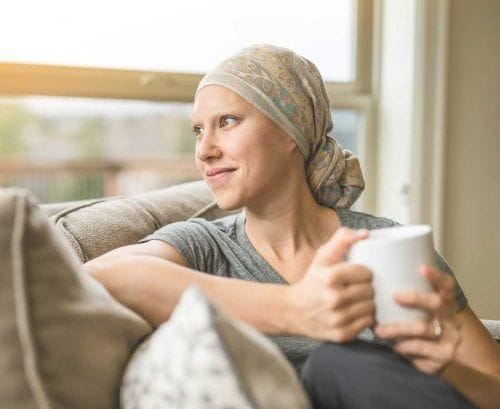
Has Your Sense Of Taste Changed?

Almost half of the people who undergo chemotherapy experience a change in their sense of taste.

Chemotherapy, radiation therapy, certain cancers, and treatment-related medications can all cause changes in the way foods taste.

Changes in your taste and smell can make it hard to eat or drink enough. These changes can cause unwanted loss of appetite, low body weight, poor quality of life, and diminished well-being. However, there are strategies that can help people to cope with taste changes until they return to normal.

Types of Taste Changes During Chemotherapy
Not all people will develop taste changes during chemotherapy. Certain chemotherapy drugs are more likely to cause it than others. Drugs such as carboplatin, cisplatin, doxorubicin, gemcitabine, and paclitaxel cause taste changes.

Some research shows that changes in taste occur on the tongue within the taste buds and in the brain. 

Taste changes can occur a few hours after completing a round of chemotherapy to days afterwards. Timing varies from person to person, and there is no way to predict when it may occur. When people do experience taste changes, they generally experience any of four different taste sensations that include:

Bitter taste
Metallic overtones
Too sweet
Loss of taste/bland or flavourless food

Ways to Combat Taste Changes
There are some recommended ways that chemotherapy patients overcome their taste changes. The following is a list of tips that might help mask the different taste sensations you may be feeling:

Bitter Taste
Try smoothies: Make an ice-cold fruit smoothie and add vegetables and protein too. The sweetness of the fruit will offset the bitterness of the green vegetables and boost your nutrient intake.
Choose your protein: If one type of protein tastes metallic, bitter, or rotten, try to eat beans, nuts, or eggs instead.  Blueberries, apples and pineapple chunks work very well.

Metallic Overtones
Consume tart drinks: Beverages like homemade lemonade may help to mask a metallic taste. 
Use plastic utensils: Some people on chemo prefer to use plastic utensils instead of metal ones to cut down on the metallic taste of some foods.
Suck on zinc tablets

Too Sweet
Add lemon juice and pink Himalayan salt
Try plain oatmeal or plan plant-yogurt

Loss of Flavors
Add extra flavours, herbs and spices to your food. Stock up on things like paprika and coriander!

General Tips
Delay eating until two to three hours after chemotherapy treatment: This helps to avoid chemo-induced nausea and vomiting.
Eat room-temperature foods
Keep your mouth clean: Brush your teeth and rinse your mouth regularly. This helps to decrease unpleasant tastes.
Please remember that your taste changes should be temporary. 

Recipes

Feeling overwhelmed by conflicting advice on what to eat during or after a cancer diagnosis? Manuela believes that food should be a source of joy, not confusion.

Explore her collection of nourishing recipes designed to support your body and well-being.

Each meal is designed to provide essential nutrients.

Start cooking and take a positive step toward better health today.

Empower through Knowledge

 With a solid foundation of knowledge, you become a powerful partner in your care. An empowered patient knows to ask critical questions about the evidence behind a complementary medicine therapy, its potential benefits, and any risks or interactions with conventional treatments.

Manuela disseminates evidence-based research helping you engaging into a genuine collaboration and working together to build a safe, effective, and holistic treatment plan.

By seeking out and understanding information, you move from being a passive recipient of care to an active participant in your own healing.

Metabolic Balance

Your body is unique, and so are your nutritional needs.

Manuela offers the internationally renowned Metabolic Balance program. Whether you are underweight or overweight, this personalised nutritional program helps you achieve optimal health, effectively rebalancing your body composition.

The program includes positive mindset techniques to support your emotional/stress eating problems, personal food preferences, meal ideas & recipes, and nutritional education. Prevention at its best!

Functional Medicine

Since 2001, the Institute for Functional Medicine (USA) has been directly accredited by Accreditation Council for Continuing Medical Education. The strict post-graduate training education is based on current science, evidence, and clinical reasoning and evaluated for its effectiveness. Manuela has obtained the internationally recognised Board Certification for Functional Medicine.

Supporting cancer patients with personalised and complementary lifestyle-based interventions helps reduce side effects of cancer treatments and improve outcomes.

Functional medicine plays a much-needed role in cancer care, emphasising low-risk therapeutic approaches that optimise a patient’s health during their survivorship journey.

Calm

The state of mind impacts health through the mind-body connection. There is a nexus between body and mind are one. The mind feeds the body just as the body feeds the mind.

Since emotions, feelings, thoughts, beliefs, actions, and behaviour impact and literally shape wellbeing, Manuela focuses on strengthening your mental and emotional life.

She strives to help you regain and maintain hope, calm, optimism, and inner peace. Manuela wants to know how you feel; she listens and empowers you with positive actions, step-by-step into wellness.

Regain Energy

Cancer-related is one of the most common side effects of cancer and its treatments. Like fatigue, cancer fatigue is whole-body exhaustion that you feel no matter how much sleep or rest you get.

Cancer fatigue takes exhaustion a step further: You feel physically, emotionally and mentally exhausted most of the time. Cancer fatigue may last a few weeks (acute) or for months or years (chronic).

To improve energy effectively, Manuela provides modalities ranging from mindfulness-based cognitive therapy therapies to herbal medicine and targeted nutritional interventions.

Clinical Detox

After the conclusion of cancer treatments, Manuela strongly recommends that you follow her clinical detoxification program.

After the conclusion of medical treatments, side-effects have lingering issues preventing a good recovery.

Manuela’s personalized program is designed to help you regain strength, balance, and wellness through a sensible, gentle, and effective detoxification process. It’s a path to a renewed you.

Personalised Diets

As a Clinical Nutritionist, Manuela provides personalised and appropriate dietary plans before, during and after cancer treatments.

She focuses on addressing your current nutritional status and develop the right diet for you. 

“One size does not fit all” principle applies to your diet. Each person is unique and therefore variability exists between nutrient-sense diets.

Manuela provides a detailed 7 day menu plan, shopping lists and recipes that reflect food preferences and sensitivities. The menu plans are easy to follow. Each food is selected for its specific content of nutrients. Healthy foods positively support your whole person wellness.

Preventive Care

We are increasingly aware that we face countless health challenges every day. Some of them will significantly contribute to a cancer diagnosis. We also have the tools to modify these challenges. Making proactive choices about your diet, increasing physical activity, managing stress, optimising hormonal balance, and minimising environmental exposures is a direct and potent strategy for your future health.

Manuela utilises validated Functional Medicine tests and blood work to identify the root causes of health issues and evaluate how different body systems interact and function. This approach aims to optimize overall health and well-being by addressing imbalances and deficiencies

Nutritional Medicine

Nutrition plays a foundational role in our health, influencing everything from our energy levels and mood to our susceptibility to illness. Nutritional Medicine is not just about avoiding unhealthy foods; it is about strategically using food and evidence-based nutritional supplements as therapeutic tools.

This approach recognises that each person’s nutritional needs are unique, influenced by their genetics, lifestyle, environment and specific health conditions.

Herbal Medicine

Herbal medicine is the oldest and the most widely used system of medicine in the world today. It is medicine made exclusively from plants.

Herbal medicine is validated by rigorous scientific research which has explored the complex chemistry of plants. Many modern pharmaceuticals have been modelled on, or derived from, phytochemicals found in herbs. Increasing research on herbal medicine demonstrates that liquid botanicals play a critical role during, before and after a diagnosis of cancer. Your safety is her priority. Manuela always conducts a thorough check for any potential interactions or contraindications between your herbal and medical treatments

Manuela seeks to provide only the highest quality full spectrum herbal extracts available.

Pathways to regain and maintaining wellbeing before, during and after cancer

Cancer requires negotiation and navigation. Decisions must be made. Directions must be pursued. The decisions and directions often occur in the middle of stress, fear, trauma, and many other challenging emotions. The skills with which people negotiate and navigate their cancer journey are better supported by combining conventional treatments with evidence-based natural medicine.

Manuela is dedicated to designing individual programs to support you regardless of your diagnosis and the stage of your cancer. She collects all critical information about your state of health and help you in your decision-making process with the wisdom and the experience that comes from years of clinical practice. She works in alignment with what you think, feel, say, and do. In this way, she honours your self-awareness, your knowledge and views and integrate them in safe practices.

Manuela started her practice in 2007 in London, followed by Singapore and Sri Lanka where she headed a cutting-edge Integrative Cancer Centre. Manuela has been supporting people living with cancer and their families in South-East Queensland since 2014. Manuela  is a PhD candidate, Centre for Healthcare Transformation, Queensland University of Technology; she has also completed a Master of Philosophy, Faculty of Medicine and Health, University of New England; a Master of Public Health in Nutrition, University of Queensland; a Master of Health Science in Herbal Medicine, University of New England and Bachelor of Complementary Medicine  . Manuela is a Board Certified Practitioner of Functional Medicine, with the prestigious Institute for Functional Medicine, Gig Harbour, USA; she is a certified Metabolic Balance and Fitgenes Practitioner.

Manuela maintains memberships and active training with the Australian Traditional Medicine Society (ATMS), the Nutrition Society of Australia (NSA), the Society of Integrative Oncology (USA). Manuela is also a member of Australasian Society of Behavioural Health and Medicine (ASBHM)

Manuela is a Co-Chair Health Literacy and Health Behaviour Subcommittee (IHLA), Boston, United States; a co-editor of a peer reviewed journal; a co-author of chapter books; a contributing author for multiple publications, a keynote speaker – National and International events; and podcaster. She is a workshops coordinator and facilitator for multiple events

Manuela has lectured at the College of Naturopathic Medicine (CNM, UK); at the Endeavour College of Natural Medicine (Brisbane and the Gold Coast)

Manuela Boyle consults exclusively by appointment is Brisbane and Online.