
31/08/2025
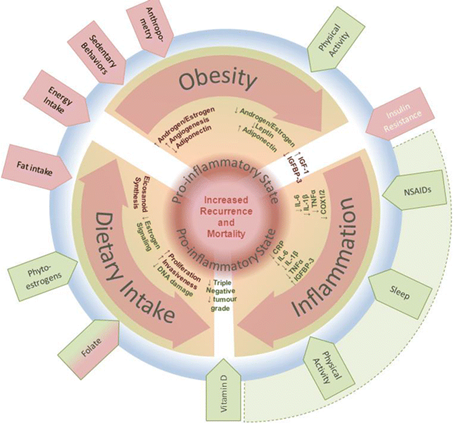
Breast cancer is a complex disease influenced by a mix of genetic, environmental, and lifestyle factors. While you can’t change your genetics, you can make conscious lifestyle choices to significantly reduce your risk. Here’s a look at some key factors that play a role in breast cancer risk and how you can take control.
Alcohol 🍻
Drinking alcohol is directly linked to an increased risk of breast cancer. Even small amounts can raise your risk, with the danger increasing in a dose-dependent manner. This is because alcohol can increase oestrogen levels and damage DNA in cells, both of which can contribute to cancer development. For those who choose to drink, the safest approach is to limit consumption as much as possible or avoid it altogether.
Weight and Body Composition 💪
Maintaining a healthy weight is crucial for breast cancer prevention. Excess body fat increases the risk for post-menopausal breast cancer because fat tissue produces oestrogen, and higher levels of oestrogen can fuel the growth of some breast cancers. Conversely, pre-menopausal breast cancer risk can be influenced by body composition, with lower body fat and more lean muscle potentially offering a protective effect.
Physical Activity 🏃♀️
Being physically active is one of the most effective ways to lower your breast cancer risk. A sedentary lifestyle is linked to an increased risk, while regular exercise provides a protective benefit. The type of activity matters, too:
- Vigorous activity is associated with a decreased risk of pre-menopausal breast cancer.
- Moderate activity is linked to a reduced risk of post-menopausal breast cancer.
Beyond prevention, physical activity can also improve survival rates. Studies show that people who are active both before and after a breast cancer diagnosis have a greater chance of survival.
Sleep 😴
The quality and duration of your sleep matter. Women who report sleeping less than 5 hours per night before a diagnosis have an increased risk of dying from breast cancer compared to those who sleep 7-8 hours. Additionally, disrupted circadian rhythms, such as those caused by night shift work, have been linked to an increased breast cancer risk. Prioritising consistent, restorative sleep is an important part of a healthy lifestyle.
